Available in:
Delivery available across Bedfordshire. For bespoke quantities and collected rates, contact our team directly.
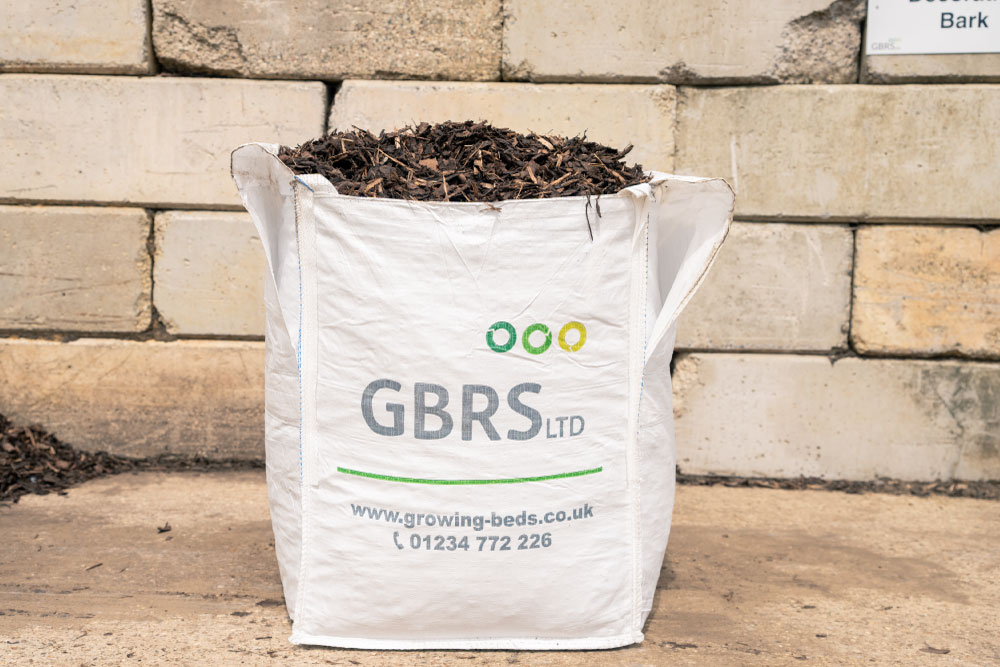
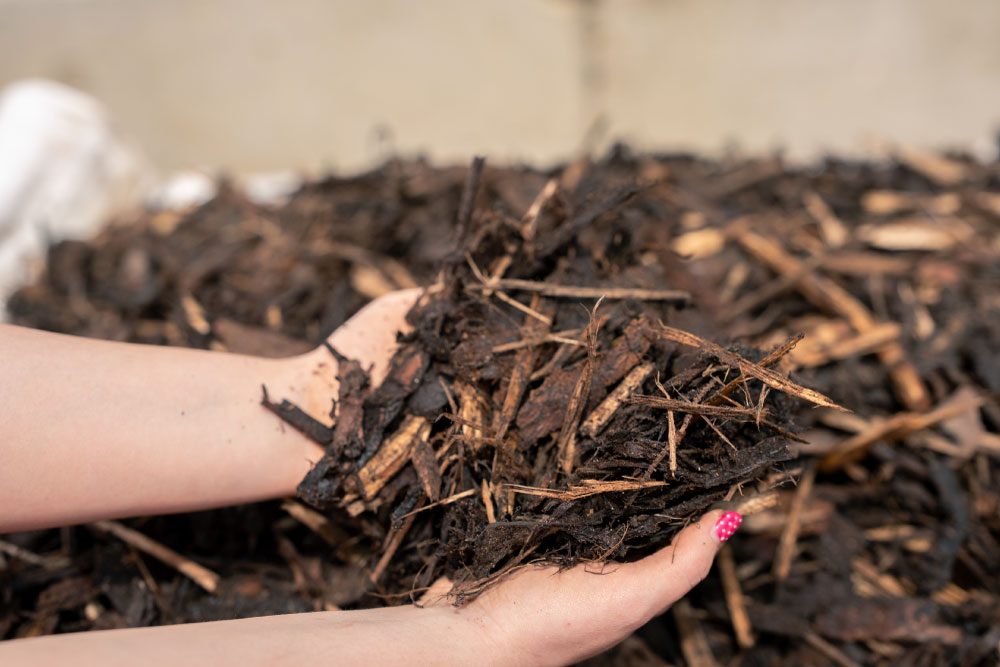
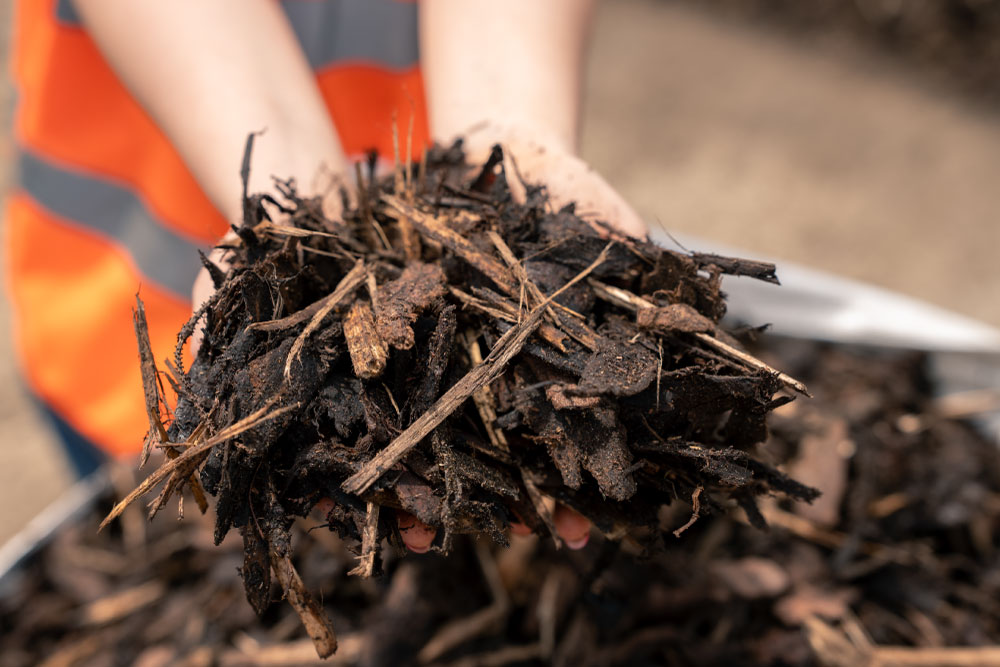
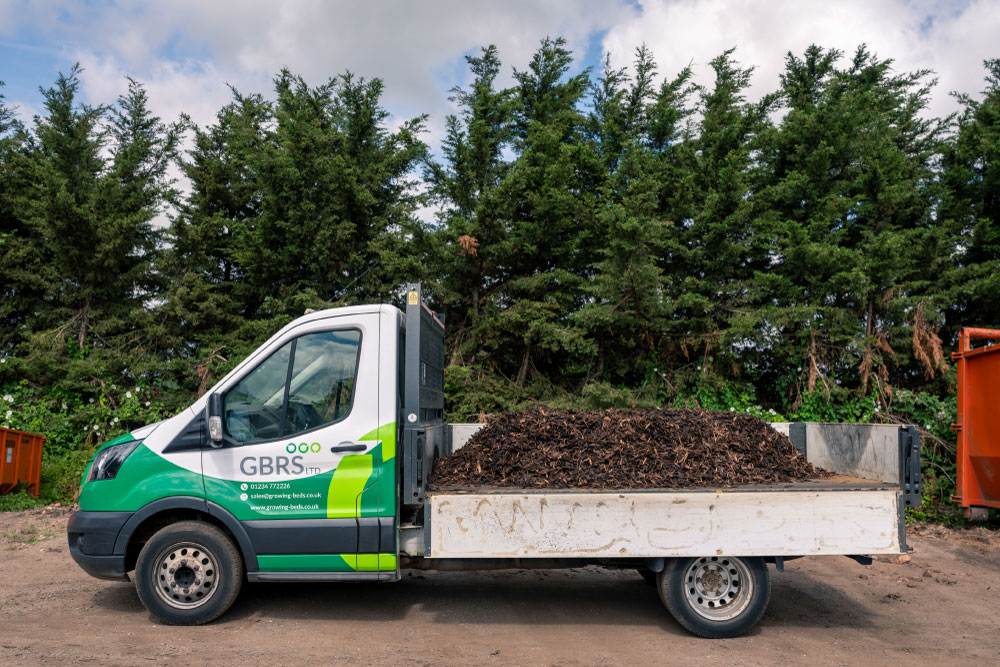
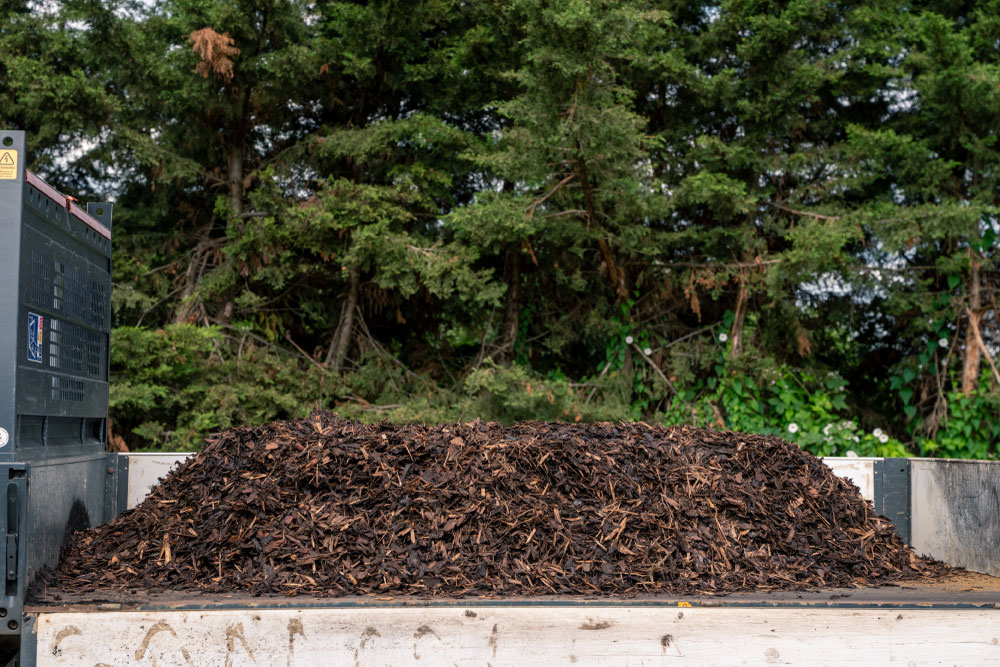
No two landscaping projects need exactly the same finish. Some spaces need a decorative touch that lifts flower beds and borders. Others need durable, safety-conscious surfacing capable of handling constant foot traffic in public play areas. That’s why we supply several different bark products, each suited to a different application.
Decorative Bark
Our decorative bark is an FSC-certified mixed bark made up of 30–40mm particle sizes with minimal dust and fines and a maximum of 20% white wood.
Designed for both domestic and commercial landscaping projects, it delivers a clean, natural finish that works beautifully across flower beds, borders, pathways and general garden spaces. Alongside its visual appeal, decorative bark also helps reduce moisture loss and suppress unwanted weed growth.
Ornamental Bark Mulch
Our Ornamental Bark Mulch is a high-quality mixed conifer mulch, FSC-certified and carefully screened to a 10–40mm particle size.
Containing less than 20% white wood, dust and fines, it’s widely used across commercial landscaping schemes and domestic planting projects throughout Bedfordshire. The darker finish helps planted areas stand out while also delivering practical benefits beneath the surface.
Ornamental bark mulch helps:
Play-Grade Bark
Play areas need surfacing that’s practical, durable and designed with safety in mind. Our play-grade bark is specifically produced for recreational environments where impact absorption and long-term performance matter most.
Manufactured from 18-35mm pine, this premium play bark contains less than 5% white wood along with minimal dust and fines, creating a cleaner and more consistent finish across busy public and private recreational areas.
The product is also BS EN 1177:2008 and BS EN 4790:1997 fire-certificated, making it suitable for schools, parks, playgrounds and outdoor activity spaces where certified play area bark is required.
Whether you’re refreshing a domestic garden, sourcing landscape bark for a commercial project or upgrading a public play area, GBRS supplies premium bark products across Bedfordshire with reliable local delivery and bespoke quantities available.
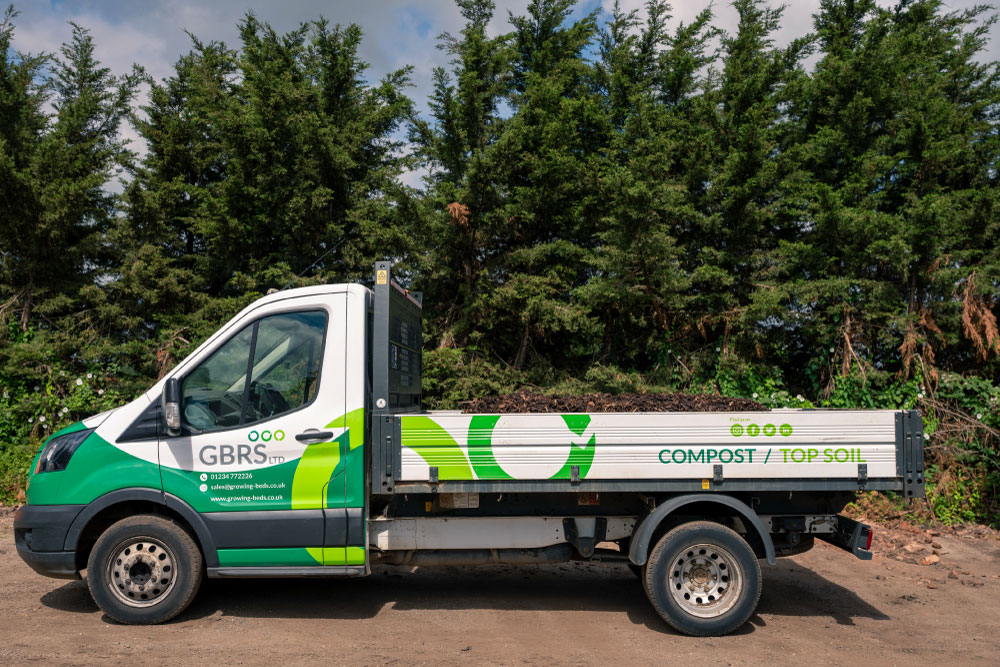
We provide local delivery for decorative bark, ornamental bark mulch and play-grade bark across Bedfordshire.
Our delivery routes regularly cover Bedford, Biggleswade, Sandy, Ampthill, Luton, Dunstable and surrounding areas, helping domestic and commercial projects stay fully supplied without unnecessary delays.
Need larger volumes for landscaping schemes, schools or public recreational spaces? We can also arrange bespoke bark deliveries outside our standard radius. Contact us directly for more information.
A durable crushed aggregate graded from 40mm to dust, designed to create strong, stable foundations for driveways, paths, patios and construction projects.
From £80.00
View Product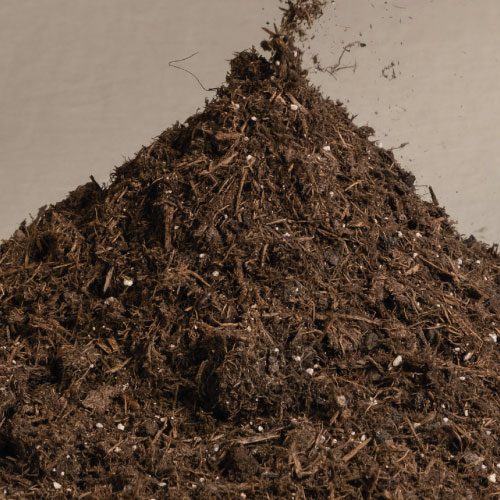
Nutrient-rich compost for agriculture, crop production and long-term soil improvement across farming environments.
View Product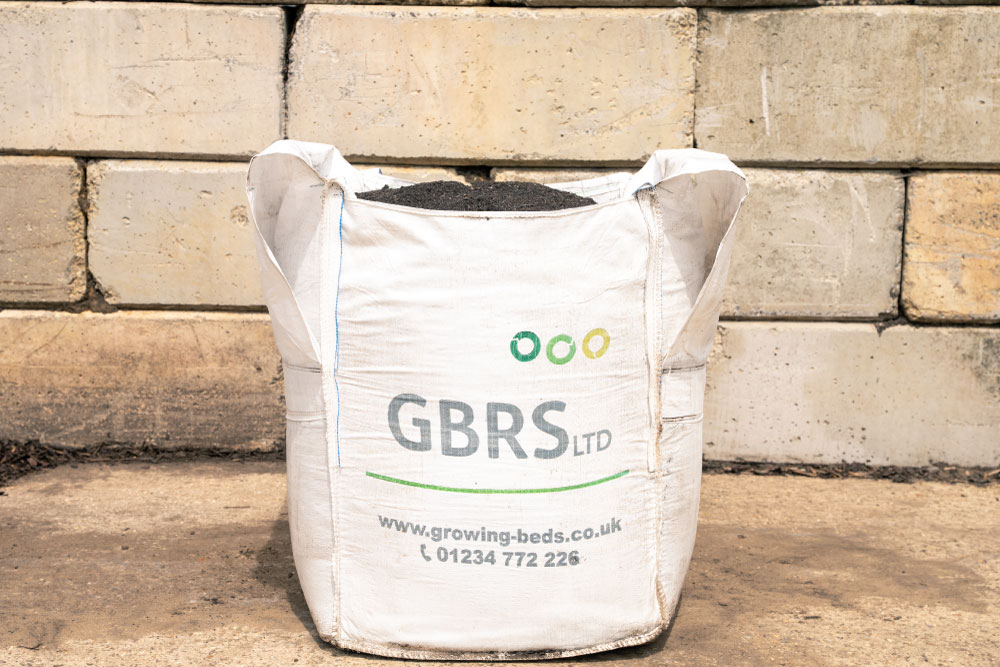
Nutrient-rich Pas100 compost for gardens, raised beds, landscaping and large-scale soil improvement projects.
From £9.00
View Product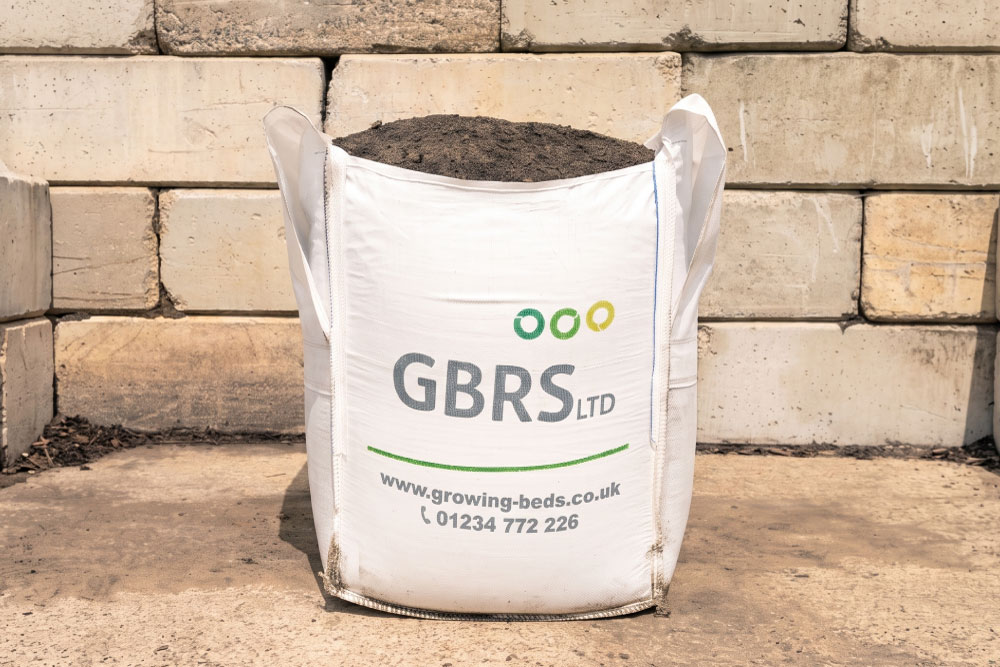
Premium peat-free topsoil for lawns, borders, flower beds and landscaping projects produced at our leading Bedfordshire recycling centre.
From £80.00
View Product
Versatile recycled shingle for drainage, driveways, landscaping and building projects across Bedfordshire.
From £75.00
View Product
Strong, coarse, sharp sand for paving, drainage, screeding and groundwork projects across Bedfordshire.
From £73.00
View Product
Soft, workable building sand for mortar, rendering, paving and general construction projects across Bedfordshire.
From £73.00
View Product